What to Expect During a Gutter Installation Project in the Tavares Area From First Visit to Final Cleanup
If you have never replaced or added gutters on a Florida home, the project can feel more mysterious than it should. Most homeowners know what gutters do in a general sense. They move roof runoff away from the house. Beyond that, the process tends to blur together into a few guesses about measurements, ladders, and a truck in the driveway.
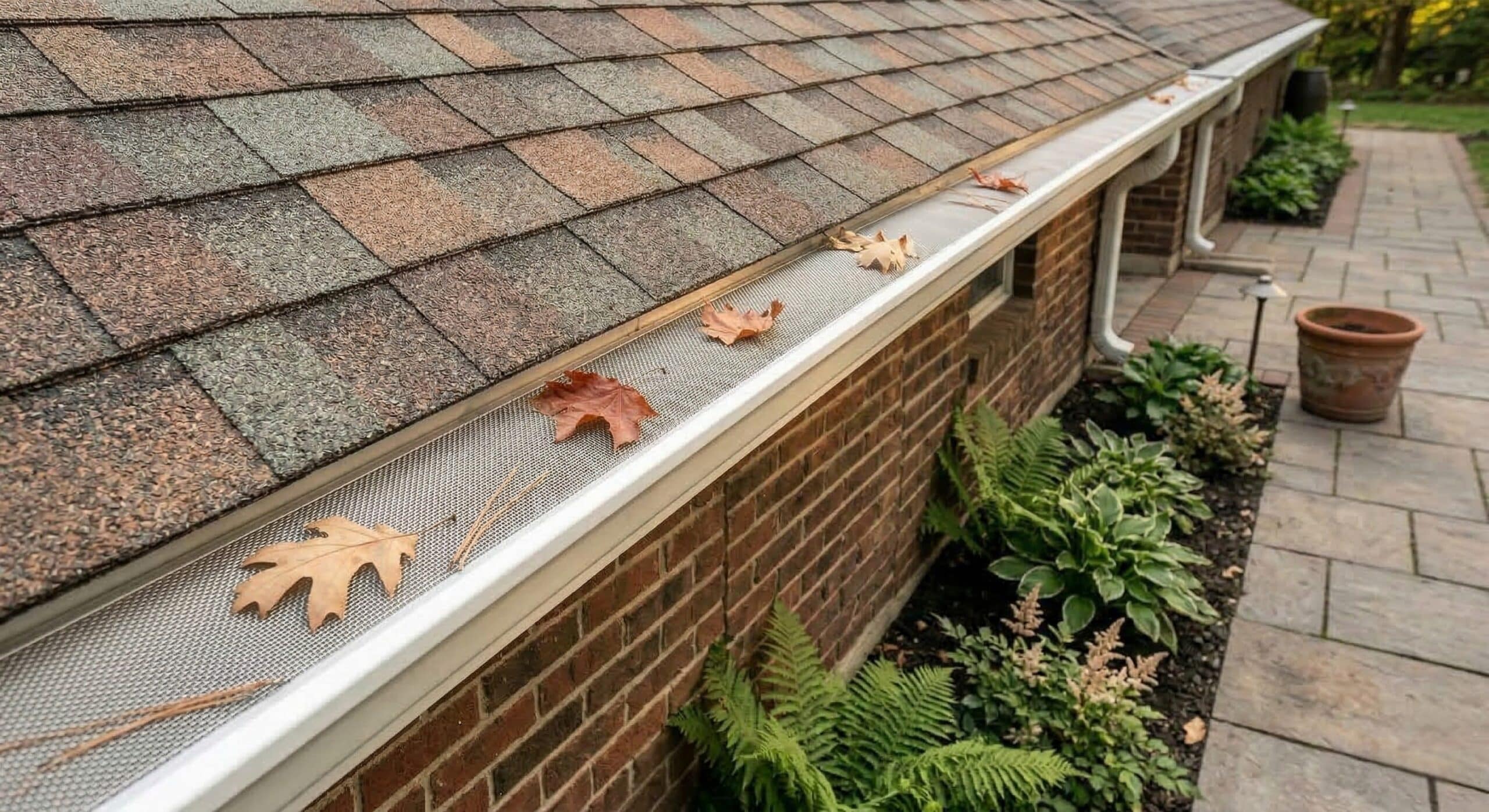
In the Tavares area, that uncertainty gets magnified by weather. Central and North Florida deal with a long wet season pattern, frequent summer thunderstorms, tropical moisture, and the kind of sudden downpours that can turn a quiet afternoon into a drainage test in about ten minutes. A gutter system that works in a drier climate can still struggle here if it is poorly planned, clogged with tree debris, or simply not maintained.
That is why it helps to know what a normal project looks like from the first visit to the final cleanup. Whether you are looking into seamless gutter installation Leesburg FL, comparing options for gutters The Villages FL, or planning gutter installation North Florida for a property surrounded by oaks and pines, the broad rhythm of the job is usually the same. The details vary by house, roofline, tree cover, and drainage conditions, but the homeowner experience follows a fairly familiar path.
The first visit is mostly about observation, not sales talk
A good first visit should feel practical. Someone comes out, walks the property, studies the roof edges, and pays attention to what the house and yard are already saying. In Florida, those clues matter.
On one home, the obvious issue may be roof runoff dropping straight beside the foundation during every summer storm. On another, the larger problem is debris. Live oak leaves, acorns, pine needles, and small limbs are common around this region, and they do not just sit harmlessly in the gutters. They can collect, hold moisture, slow water flow, and eventually turn every hard rain into a stress test. In some neighborhoods, the tree canopy is so thick that gutter guard installation Central Florida becomes part of the conversation almost immediately.
This first appointment often includes a look at any existing gutters, if the home already has them. Are there visible signs of overflow during heavy rain? Are downspouts sending water where it should go, or dumping it into an area that already stays wet? Is there evidence that previous gutter cleaning Leesburg FL or gutter repair Gainesville FL work has been done piecemeal over the years without solving the root problem? Those are the kinds of judgment calls that shape the project.
The most helpful contractors also look beyond the metal itself. They notice the slope of the lot, the tree cover, the roof valleys that collect a lot of runoff, and the places where stormwater naturally wants to travel. In a state where warm season rainfall can be intense, that broader view matters more than people think.
Measurements are more important than most homeowners realize
Once the basic needs of the house are clear, the project moves into measuring and planning. This part is less dramatic than installation day, but it is where a lot of success or failure gets decided.
A house is rarely as simple as it looks from the curb. Long straight runs may be easy to picture, but then there are corners, roof transitions, porch sections, and spots where one section of roof sends a surprising amount of water to a single edge. In Florida, one badly handled area can become the spot where water overshoots the gutter during a thunderstorm and lands right where you do not want it.
If you are considering seamless gutters Gainesville FL or a similar custom system in the Tavares area, the measuring phase has another layer of importance. Seamless systems are valued because they reduce joints along the run, and fewer joints generally means fewer opportunities for leaks and debris hangups. But the fit has to be right. A custom run that is even slightly off can create headaches that should have been solved before the material ever showed up for installation.
At this stage, homeowners usually start asking the practical questions they really care about. How long will the project take? Will anyone need access to the backyard? What happens if it rains that morning? Are guards worth it, or is regular gutter maintenance Florida enough? Those are all fair questions, and the answers depend on the house more than on a generic script.
The estimate should explain choices, not just price
There is a big difference between a quote that simply lists materials and a quote that explains why those materials make sense for your property. In this region, the reason behind the recommendation matters.
For example, a house under heavy tree cover may need a stronger discussion about maintenance and guards than a house on a more open lot. If you have mature oaks dropping leaves and acorns, or pines shedding needles through much of the year, that debris load is part of the job planning. Florida landscaping guidance has long emphasized keeping plant debris out of drainage paths because clogs and nutrient runoff create bigger problems downstream. That principle starts right at the roofline.
This is also where gutter guards Gainesville FL tends to come up. Guards are not a magical promise that you will never think about your gutters again. They are a way to reduce the amount of debris entering the system, and different styles handle debris differently. Homeowners may hear about mesh screens, micro mesh, foam inserts, brush styles, PVC covers, or reverse curve designs. The right choice depends on the kind of debris your home gets and how much maintenance you are trying to reduce, not eliminate.
I have seen plenty of homeowners assume that adding guards means they will never need service again. In a Florida setting, especially under dense trees, that expectation usually needs to be softened. Guards can help a lot, but they are still part of a drainage system living outdoors through humidity, storm season, and constant organic debris.
Before installation day, a little prep makes the whole job smoother
You usually do not need to turn your house upside down before a gutter project, but a few simple steps make the crew’s work easier and reduce surprises.
- Move vehicles away from the work area and leave clear access to the driveway.
- Pick up fragile items near the house, especially potted plants, décor, and loose yard furniture.
- Make sure gates can open if side yard access is needed.
- Let the contractor know about pets, sprinkler lines, or any area of the yard that needs extra care.
- Ask in advance where debris from old gutters or cleanup material will be staged during the job.
None of that is glamorous, but it helps. Florida homes often have narrow side yards, decorative landscaping, and soft ground after rain. A little planning keeps the day calmer for everyone.
Installation day starts with setup and a careful walkthrough
When the crew arrives, the first hour or so usually feels quieter than homeowners expect. There is unloading, ladder placement, tool setup, and often a quick reconfirmation of the plan. This is normal.
If old gutters are being removed, that part comes first. Removal can reveal issues that were hidden by the existing system, especially where debris has sat for a long time. In homes that have gone too long without gutter cleaning and repair Ocala FL style upkeep, or the equivalent in nearby areas, old buildup can become packed and stubborn. Leaves break down, pine needles knit together, acorns wedge into corners, and smaller twigs create little dams. It is messy, but it is also useful to see because it confirms what the house has been dealing with.
Once the old material is down or the roof edge is ready, the installation itself begins. For homeowners, this part often looks like a series of repeated motions. Measuring, fitting, fastening, aligning. But beneath that rhythm is a lot of small judgment. A professional is checking for straight appearance from the ground, proper water path, and a layout that fits the house instead of fighting it.
This is one reason many people seek out a gutter contractor Central Florida homeowners trust rather than treating gutters like an afterthought. The work is visible from the street, but its real test comes later, during a hard rain.
What seamless installation usually changes for the homeowner
Seamless systems get attention because they are cleaner in appearance, but the practical value is just as important. With fewer seams along the run, there are fewer places where leaks are likely to start and fewer spots for debris to catch. That does not make the system immune to every Florida problem, but it can simplify both performance and upkeep.
For homes in Leesburg, Tavares, Gainesville, and nearby communities, that matters. During heavy summer rainfall, water needs a clear path. Every unnecessary interruption in that path becomes a possible trouble point. Homeowners exploring seamless gutter installation Leesburg FL or seamless gutters Gainesville FL are often responding to past frustration, not just aesthetics. Maybe they have watched water pour over a joint for two rainy seasons. Maybe one corner clogs every time oak debris drops. Maybe they are tired of paying for small repairs that never quite fix the pattern.
A seamless setup does not erase the need for maintenance, but it can reduce some of the weak spots that older sectional systems tend to develop.
Gutter guards deserve a realistic conversation
If your property has significant tree cover, the talk about guards should be detailed, not rushed. This is especially true in parts of Central Florida where mature oaks and pines are a constant factor.
Different guard styles behave differently. Some are better at blocking larger leaves. Some handle smaller debris more effectively. Some may sound appealing in theory but struggle when pine needles and fine organic material are part of the equation. That is why the right recommendation should be tied to your actual debris pattern, not simply the most expensive add on.
Homeowners shopping for gutter guard installation Central Florida often want the same thing. Less cleaning, fewer clogs, fewer risky trips up a ladder. Those are reasonable goals. But even the better systems should be viewed as maintenance reducers, not maintenance erasers. In humid, rain prone regions, organic matter still accumulates around roof edges and drainage components. A system can be improved without becoming self managing.
I once walked a property where the owner was frustrated because guards had been installed years earlier, yet runoff still overflowed during storms. The issue was not that guards are useless. It was that the wrong type had been paired with heavy fine debris, and no one had adjusted expectations about occasional service. That sort of mismatch is avoidable if the conversation is honest at the start.
Mid-project questions are normal, and good contractors answer them plainly
Many homeowners feel awkward interrupting a crew at work. They should not. You do not need to hover, but if you are curious about what is happening, ask.
The best time for those questions is often during a natural pause, not while someone is halfway up a ladder. Most crews are used to homeowners wanting reassurance. They can explain which section is being handled, why a downspout is going in a certain location, or whether a guard product is being installed on every run or only on the most debris prone sections.
A few useful questions to keep in mind are these:
- Are there any areas of the roofline that needed a different approach than expected?
- Did the old gutters reveal any maintenance concerns worth watching?
- How should water flow look during a strong rain once the system is working properly?
- If guards are installed, what kind of follow up maintenance is still recommended?
- What should I watch for over the next few storms?
Questions like that lead to better ownership. They help you understand not just what was installed, but how to judge whether it is doing its job.
Final cleanup is part of the project, not a bonus
A proper gutter job does not end when the last section goes up. Final cleanup matters, especially on a lived in property with landscaping, driveways, walkways, and family traffic around the house.
Cleanup usually means gathering old materials, collecting fasteners and small scraps, clearing out any debris that came down during removal, and leaving the work area in reasonable order. On homes with significant existing buildup, this can make a visible difference. Anyone who has seen damp clumps of old leaf sludge hit a flower bed knows exactly why cleanup should not be treated https://eavesjournal587.urbanvellum.com/posts/hawthorne-area-hoa-questions-about-gutter-colors-finishes-and-exterior-changes-2 casually.
This is also the point when homeowners often do a last walkthrough. That is your chance to look at the finished lines from the ground, check the general placement of downspouts, and ask any final questions about upkeep. You are not expected to inspect like a tradesperson. You are simply making sure the project looks complete and the site feels cared for.
What happens after the crew leaves matters just as much
A gutter system really proves itself during weather, not during installation. In the Tavares area, you usually do not have to wait long for that test. Between summer thunderstorms and the broader wet season pattern across Central and North Florida, a new system often gets a real workout sooner rather than later.
After the first few heavier rains, it is worth taking a quick walk outside and observing. You are looking for simple signs. Is water moving where it should? Are any sections obviously overflowing? Is runoff discharging in a way that creates a new soggy area in the yard? You do not need to stand in a storm to do this. Even checking after the rain can tell you a lot from the splash patterns and wet zones around the house.
If your home is surrounded by trees, remember that a brand new system can still face old environmental pressures. Gutter maintenance Florida is not optional just because the installation is recent. Leaves, pine needles, acorns, and small limbs are part of life here. The goal is not to pretend otherwise. The goal is to have a system built and maintained with those realities in mind.
Repairs, cleaning, and installation are more connected than people think
One of the most common homeowner mistakes is treating installation, repair, and cleaning as separate conversations with no overlap. In reality, they are deeply connected.
A home may start with periodic gutter repair Gainesville FL work because a corner leaks or a section sags. Then the owner discovers that recurring debris is the bigger issue and begins asking about gutter guards Gainesville FL. Another property may begin with routine gutter cleaning Leesburg FL after summer storms, only to uncover that the old layout was never handling runoff particularly well. A third homeowner may call about gutters The Villages FL simply because the exterior needs updating, then learn that installation is also a chance to improve water control.
Seen that way, a gutter project is not just about hanging metal. It is about how the home handles Florida rainfall over time. It is about reducing avoidable overflow, keeping drainage paths clearer, and limiting the wear that constant water exposure can place around the property.
The best projects feel uneventful after they are done
That may sound odd, but it is true. The best gutter installation projects are often the ones homeowners stop thinking about after the next few rains. Water goes where it should. The house looks cleaner along the roofline. The panic during every thunderstorm starts to fade.
Whether you are planning seamless gutter installation Leesburg FL, researching seamless gutters Gainesville FL, or comparing service options with a gutter contractor Central Florida homeowners already know, the process should feel understandable from the beginning. First comes the evaluation. Then the measurements and material choices. Then installation, cleanup, and the first real test when Florida weather does what Florida weather always does.
And that last part is really the point. In this part of the state, gutters are not decorative trim. They are working components in a climate defined by humidity, warm season downpours, and recurring debris. When the project is done well, the payoff is not flashy. It is confidence the next time the sky opens up.